
Written by Susie Hairston
Hero image by Vlad Vasnetsov on Pixabay
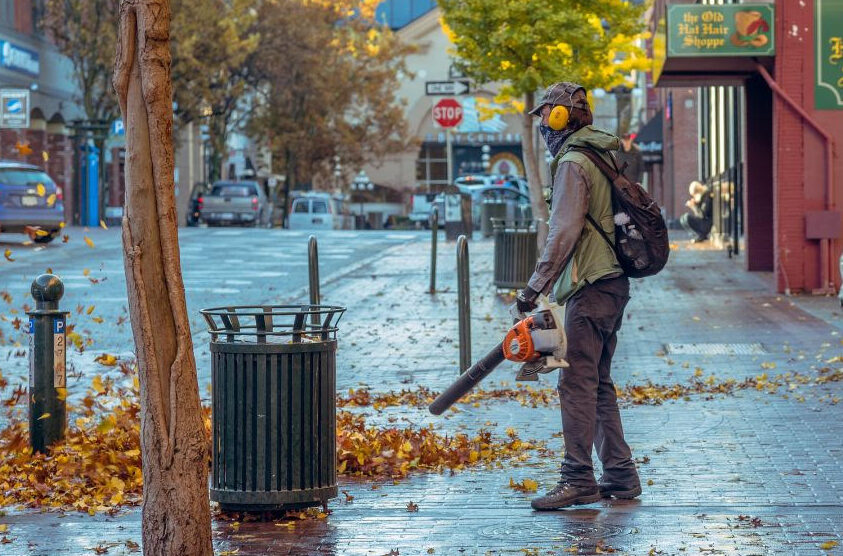
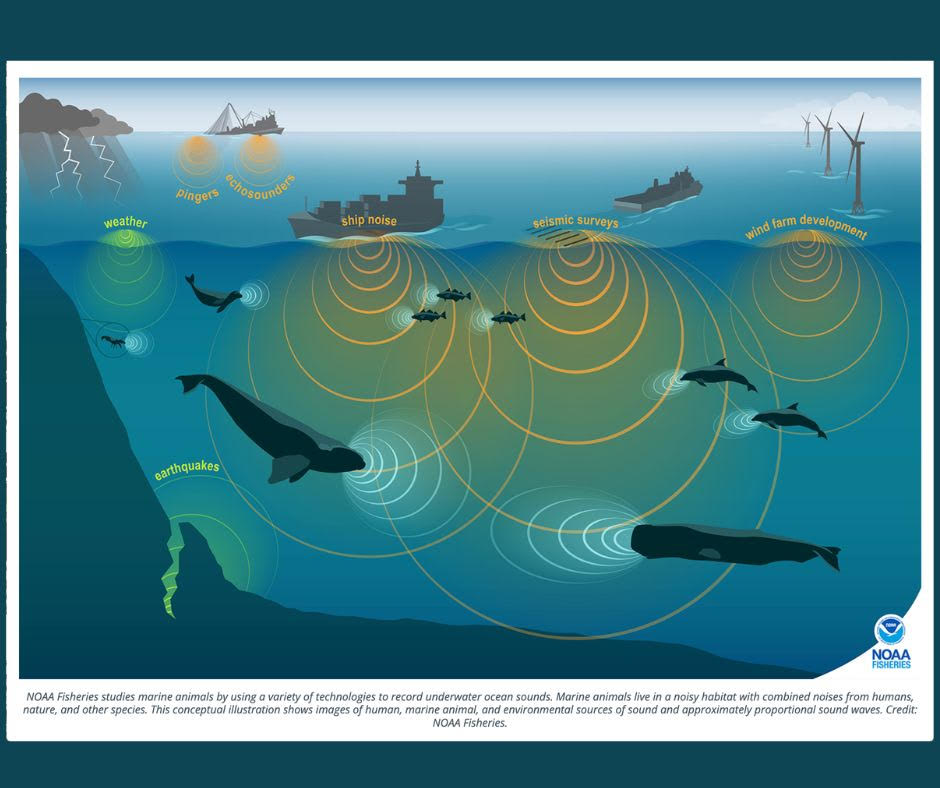
Humans disrupt animals in many ways – by destroying their habitat, adding light pollution, poisoning our water, air and land, changing our shared climate, introducing invasive species into ecosystems, etc. But there is another way we disturb animals that we could work on — we are too noisy. Researchers have identified human factors like transportation, development ,and extraction activities like felling timber, mining or drilling for gas. as being harmful. On land, we use loud equipment like leaf blowers, lawnmowers, planes, cars, and industrial equipment that emit noise that is harmful. And, according to the World Ocean’s Day Organization, “Shipping traffic, seismic surveys for oil and gas, military sonar, and offshore development all add powerful human-made sounds that travel far underwater. These noises can mask communication, disrupt migration and feeding, cause stress, and in some cases lead to injury or strandings” of marine animals.
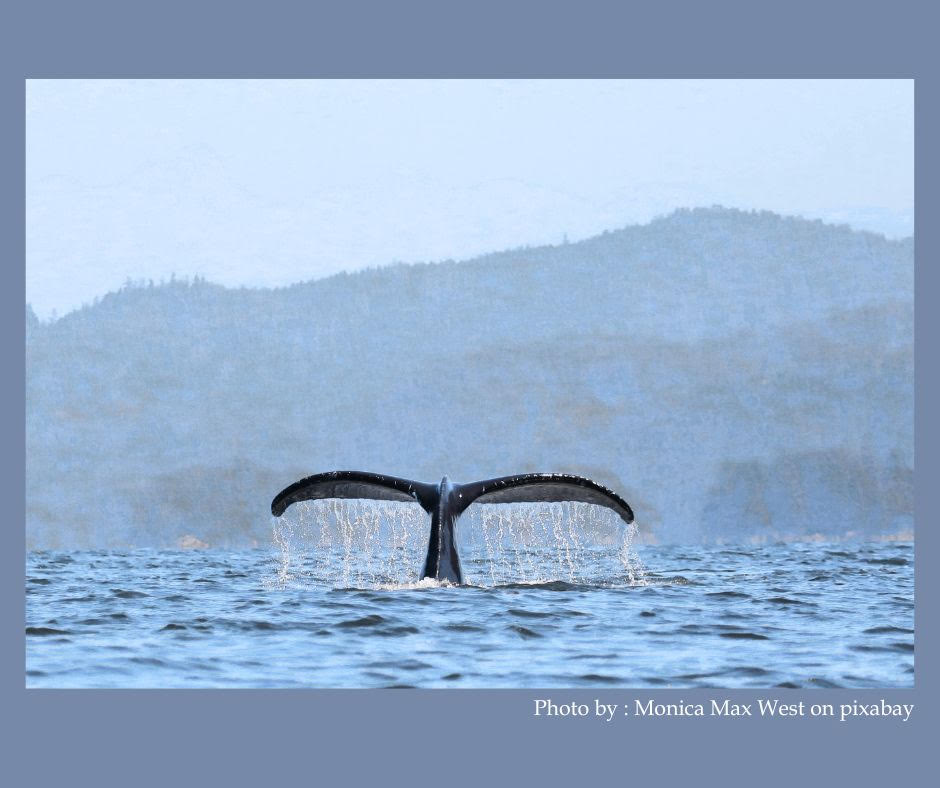
Most of us are familiar with the serious harm done to marine mammals and fish by seismic testing used by the oil and gas industry during exploration and sonar used by the military. We have known for many years that noise from ships, sonar and industrial activity can disrupt vital communication between whales and physically damage their hearing. If severely disoriented by noise, whales can even become stranded and die.
According to scientists at the Scripps Whale Acoustic Lab, “the background levels of anthropogenic ocean noise have doubled every decade over the past 60 years — from commercial ship traffic, underwater oil and gas extraction, and other industrial or military activity. ‘We’re essentially scouring the ocean of [natural] ambient sound.’”
But marine animals are not the only animals harmed by noise. Scientists have been documenting harms to many species related to noise pollution “affecting the way they mate, communicate, hunt, and navigate. Scientists have documented everything from changed vocal patterns in birds to fewer animals in noisy locations. Noise pollution can even hurt species like eels, making them slower to react in dangerous situations.” A study of prairie dogs near Fort Collins, Colorado showed that noise from ongoing human activity, including oil and gas extraction, caused the prairie dogs to forage less and watch for danger more, behavior changes that can lead to weakness from less food intake and stress from worrying about danger more. According to the National Park Service, “The endangered Sonoran pronghorn avoids noisy areas frequented by military jets; female frogs exposed to traffic noise have more difficulty locating the male’s signal; gleaning bats avoid hunting in areas with road noise”
Human voices are also damaging to animals as some land mammals fear the sound of human voices as much as they fear the sound of top predators. Giraffes, elephants, leopards, and antelope have been known to flee a watering hole at the sound of a human voice, threatening their ability to survive.
This excerpt is republished with permission from CEC Houston, an ESTX Member Organization. You can finish the full article on their website.